

International Cooperation: Innovative Research from Japan Visits
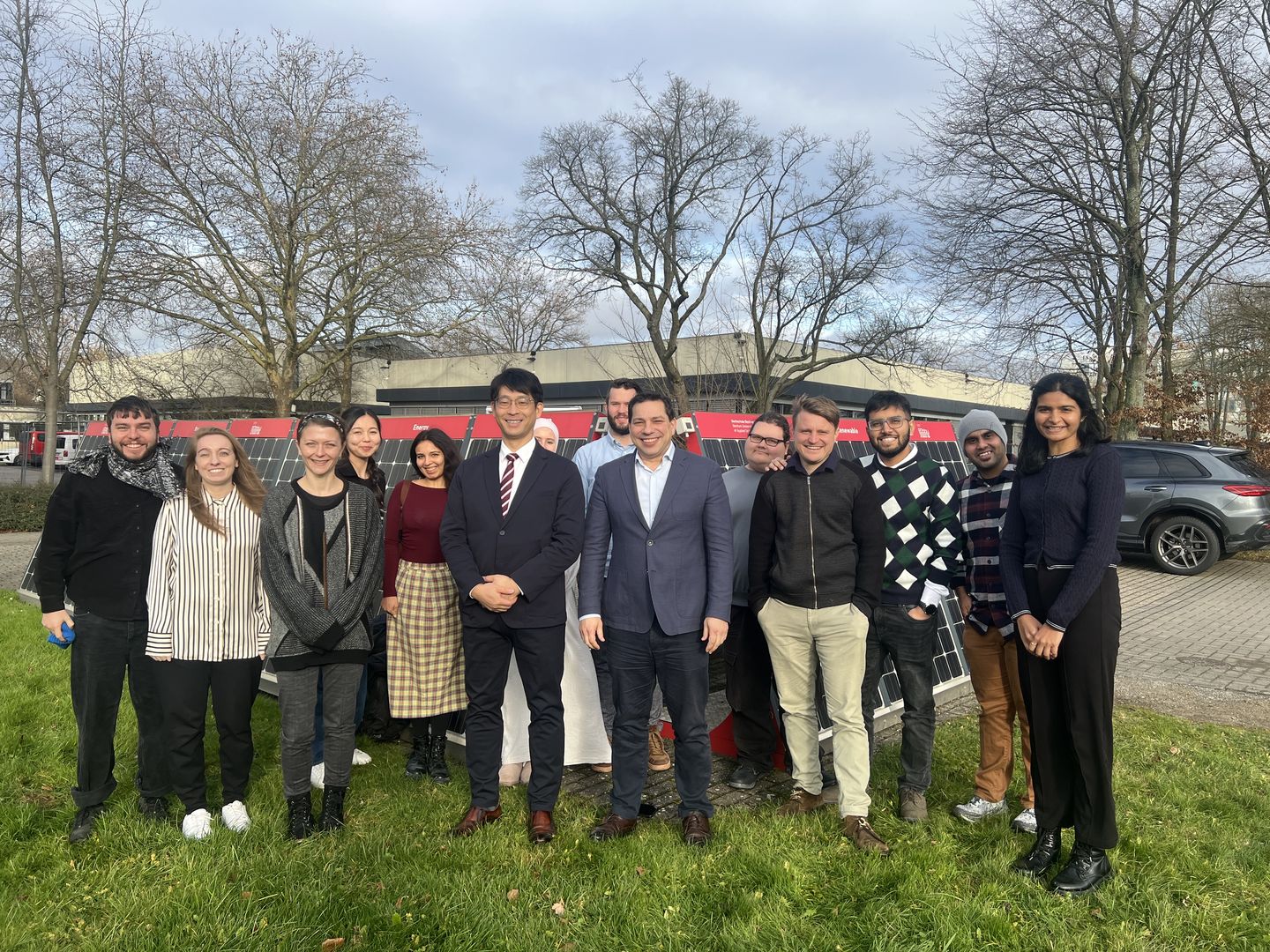
On 4 December 2025, the Sustainable Technologies Laboratory welcomed Professor Masato Inoue, a renowned Japanese scientist, for a guest visit. Building on a longstanding collaborative network, the visit marked a renewed commitment to strengthening scientific cooperation in the future. During the visit, Prof. Inoue met with the staff of the Sustainable Technologies Laboratory, engaging in discussions about current and prospective research projects. The day was characterized by an atmosphere of intensive scientific exchange and collegial collaboration on innovative and forward-looking topics in engineering and sustainability science.
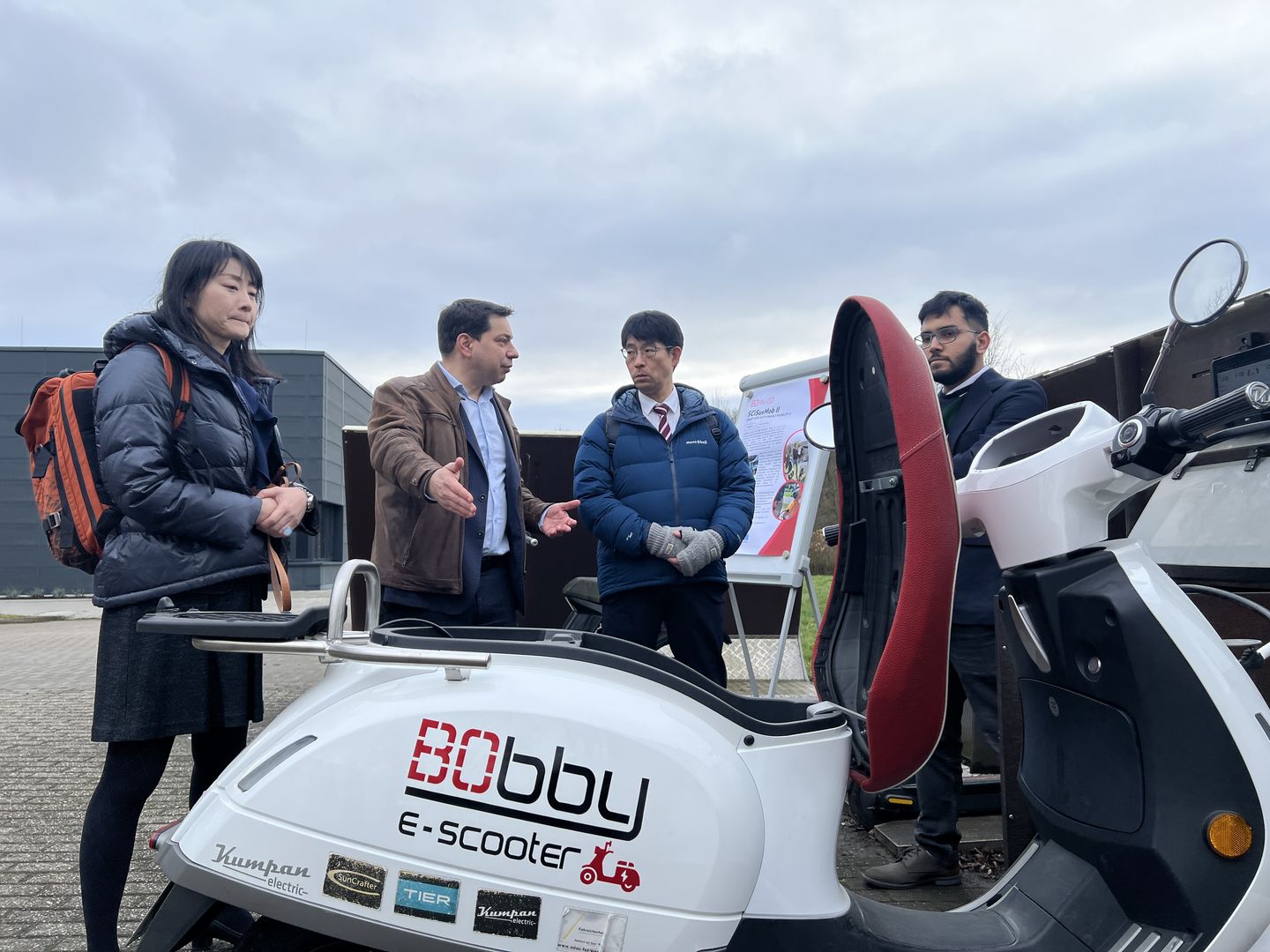
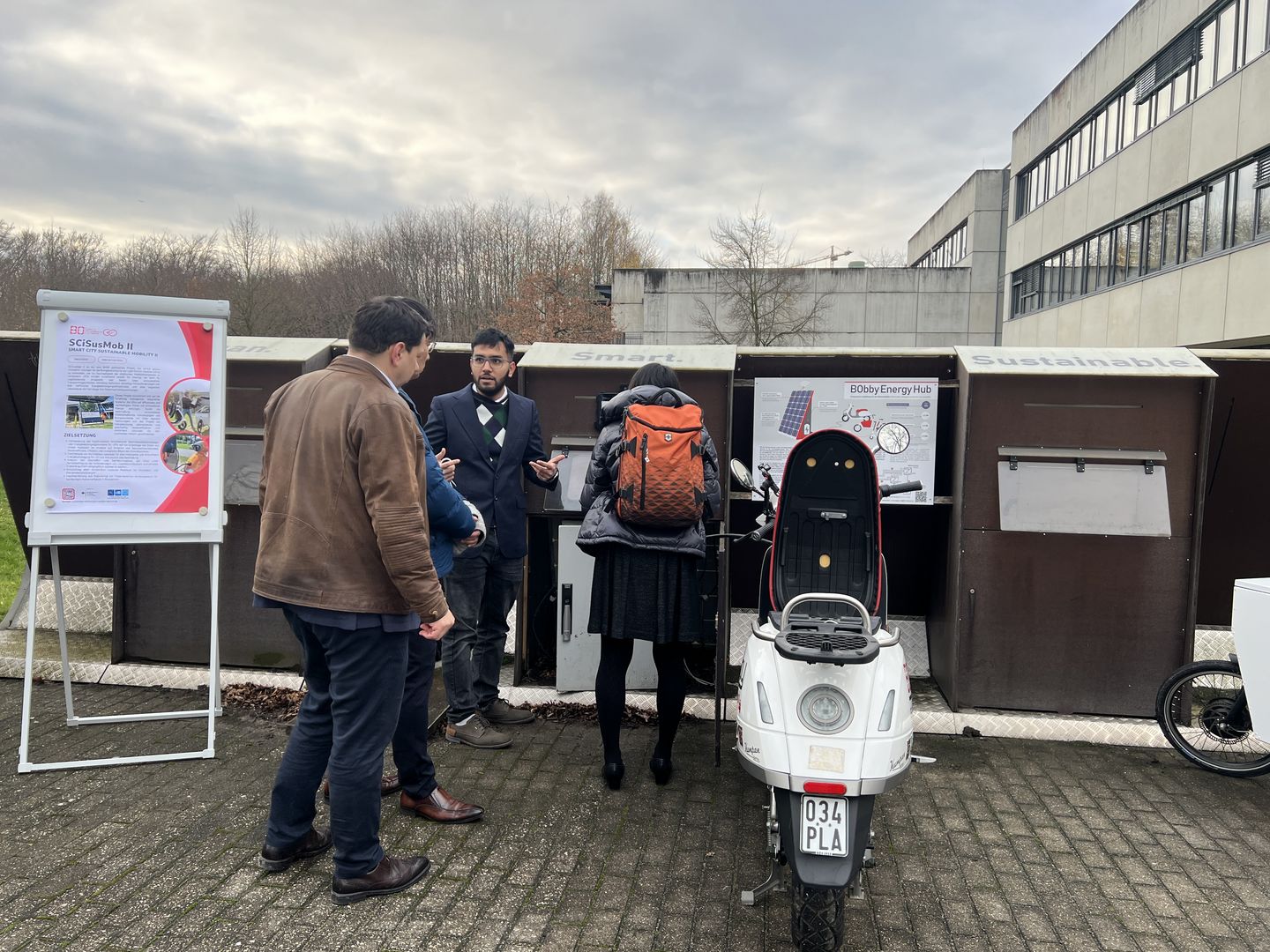
Following a joint tour of the International Geothermal Centre, the Japanese delegation was introduced to the Energy Hub, which has now become an integral part of the university campus. The Energy Hub is a prototype of an off-grid solar charging station for light electric vehicles. During the presentation, both the design and the functionality of the Energy Hub were explained. The discussions focused on new potential fields of application as well as opportunities for further optimization. In addition, we shared experiences and usage data from our solar charging stations in Essen and Oberhausen, providing valuable insights into practical operation under real-world conditions. Over the past years, the Energy Hub has become a key component of the Sustainable Technologies Laboratory in both research and teaching.
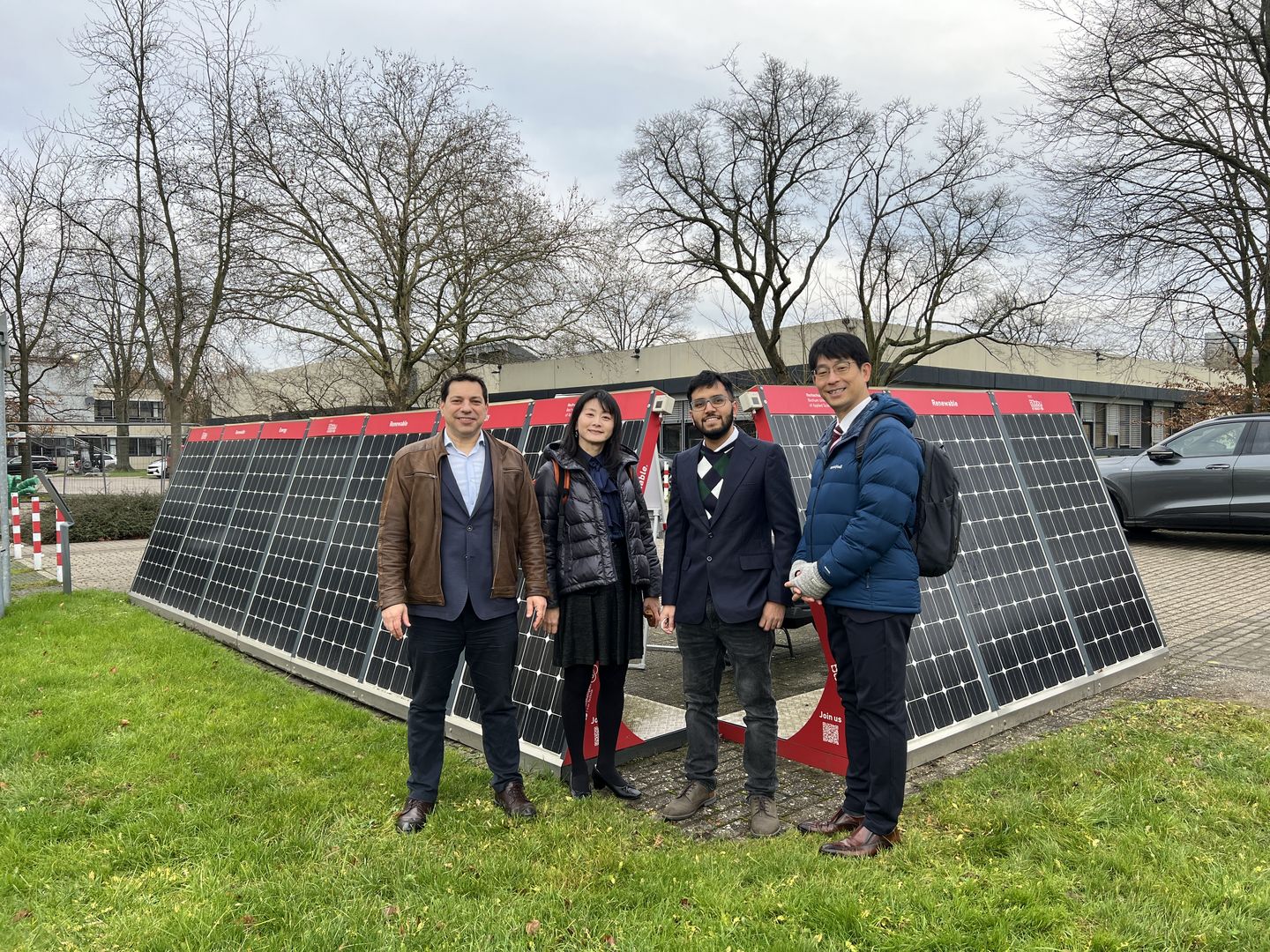
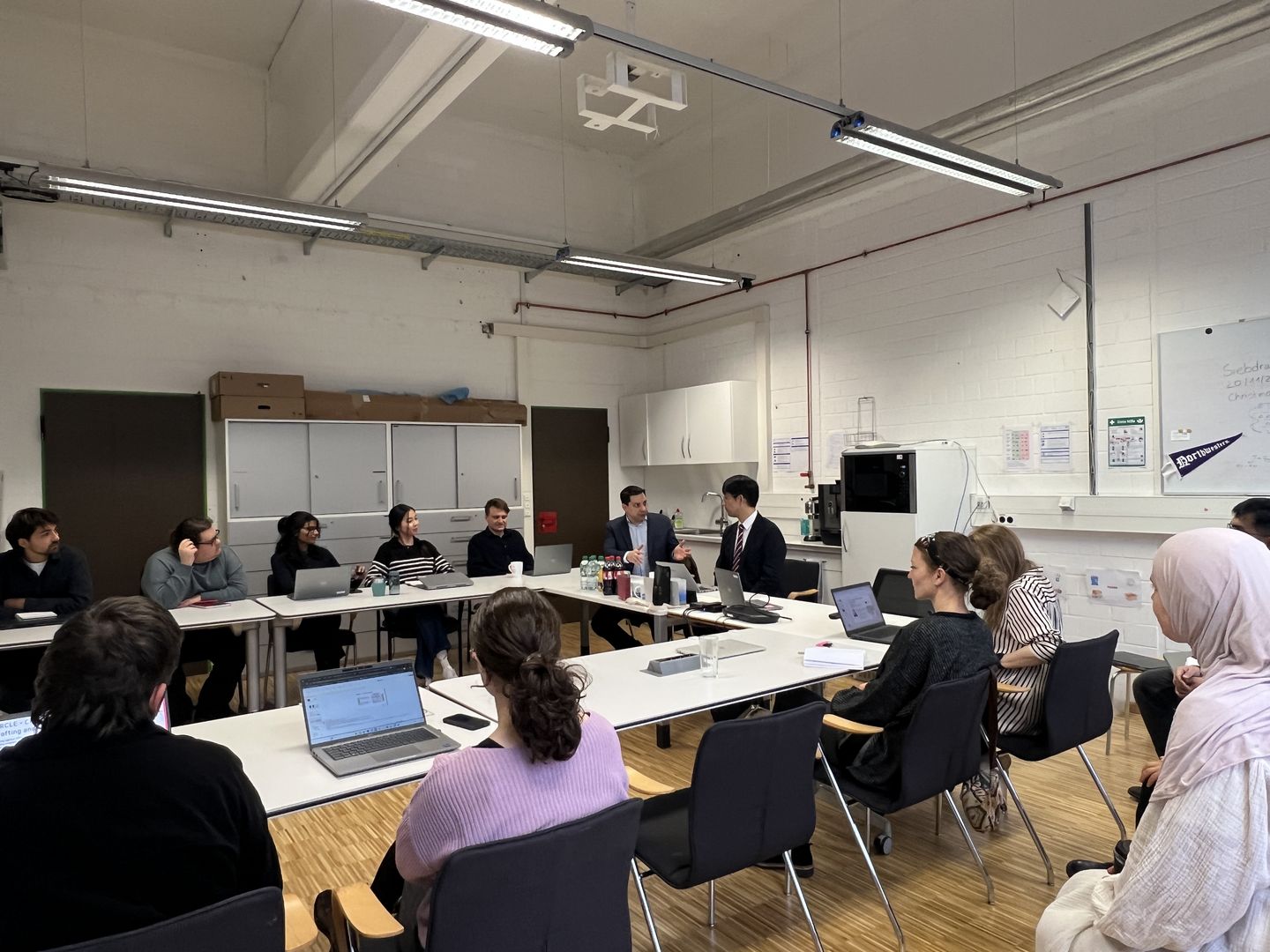
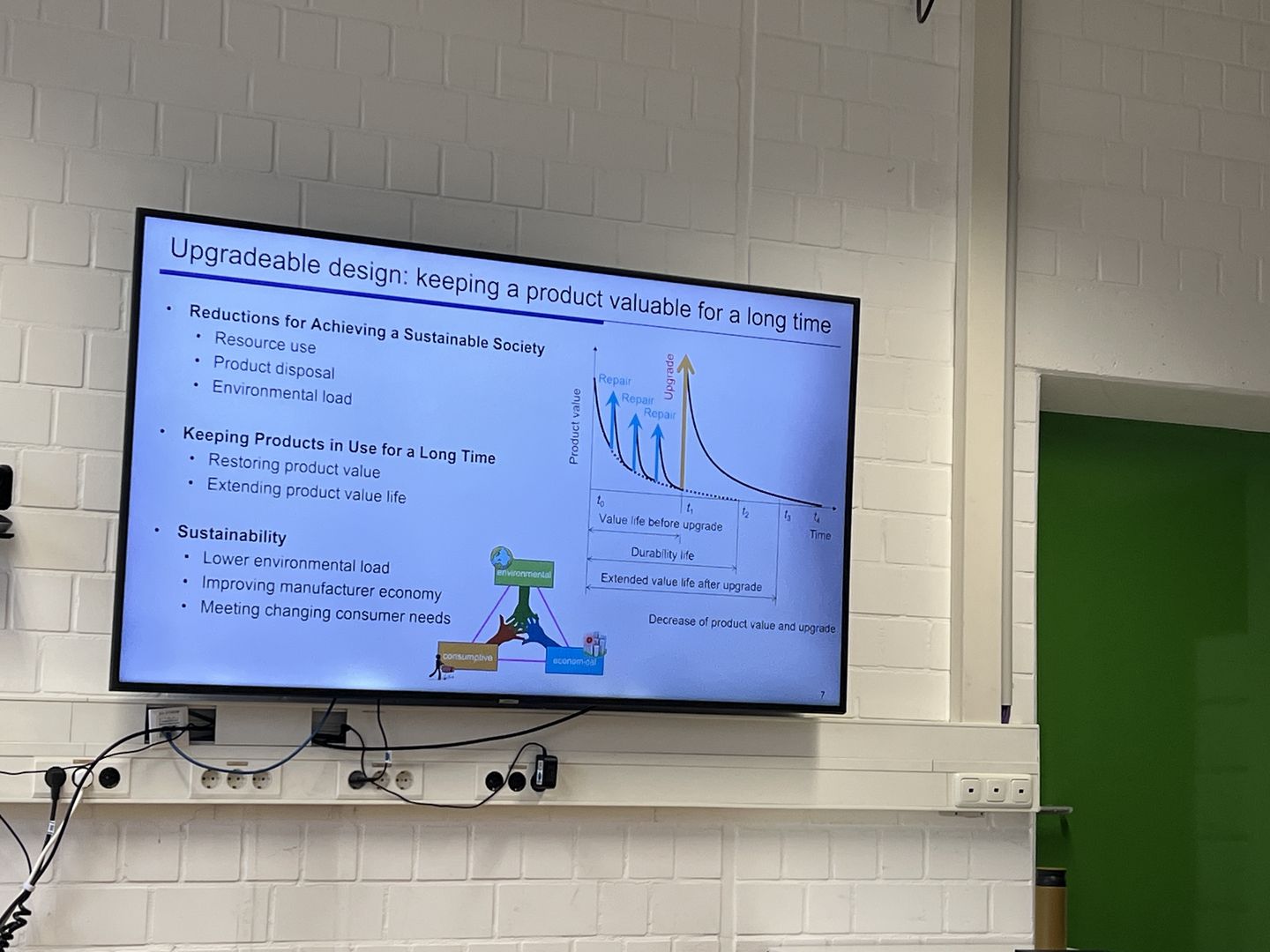
The scientific exchange continued with a joint presentation and discussion of completed, ongoing, and future research projects at Professor Masato Inoue’s laboratory at Meiji University and at the Sustainable Technologies Laboratory under the direction of Professor Semih Severengiz. Inoue is regarded as one of the world’s leading researchers in the field of design engineering. His scientific focus lies on developing methods that make design and development processes more sustainable, user-friendly, and future-ready. Already in the early phases of design, Inoue develops decision-support methods that enable structured and systematic evaluation of alternative design concepts—considering, for example, environmental impact, costs, or recyclability. A central concern of his work is so-called environmentally conscious design: products should be conceived from the outset to minimize environmental impact throughout their entire life cycle. In addition, Inoue works on universal design, that is, on methods for creating products that are as inclusive and user-friendly as possible. The aim is to consider the needs and requirements of diverse user groups already during the development phase. Another research focus lies on modular and upgradeable product architectures: products should be designed in ways that allow them to be used, repaired, or modernized over longer periods of time. The objective is to combine sustainability and longevity with economic viability. Through these research approaches, Inoue makes a significant contribution to sustainable product development—one that integrates environmental protection, user-friendliness, and economic efficiency—and ultimately supports the creation of a resource-efficient and future-oriented industry.
It quickly became evident that numerous projects at the Sustainable Technologies Laboratory (e.g., CIRCLE, Kreisrad, and Pilot4CircuLEV) closely align with Professor Inoue’s research priorities. In particular, topics such as sustainable product design, circular development processes, and user-centered technological innovation offer numerous opportunities for joint activities. Moreover, there are many parallels in the scientific methods and research approaches employed. We look back on an exciting and productive day and look forward to deepening our future collaboration, working together to generate new impulses for sustainable technological development and innovative product design.


