
International Cooperation: Spring School 2026 – Training of Solar Off-Grids
26 international students came together at Bochum University of Applied Sciences to gain practical experience with the Energy Hub and expand their knowledge of sustainability.
As part of the Erasmus+ research project 'Sustainable Energy Education' (SEED), the Sustainable Technologies Laboratory held an intensive international training week entitled 'Spring School 2026: Training on Solar Off-Grids'.
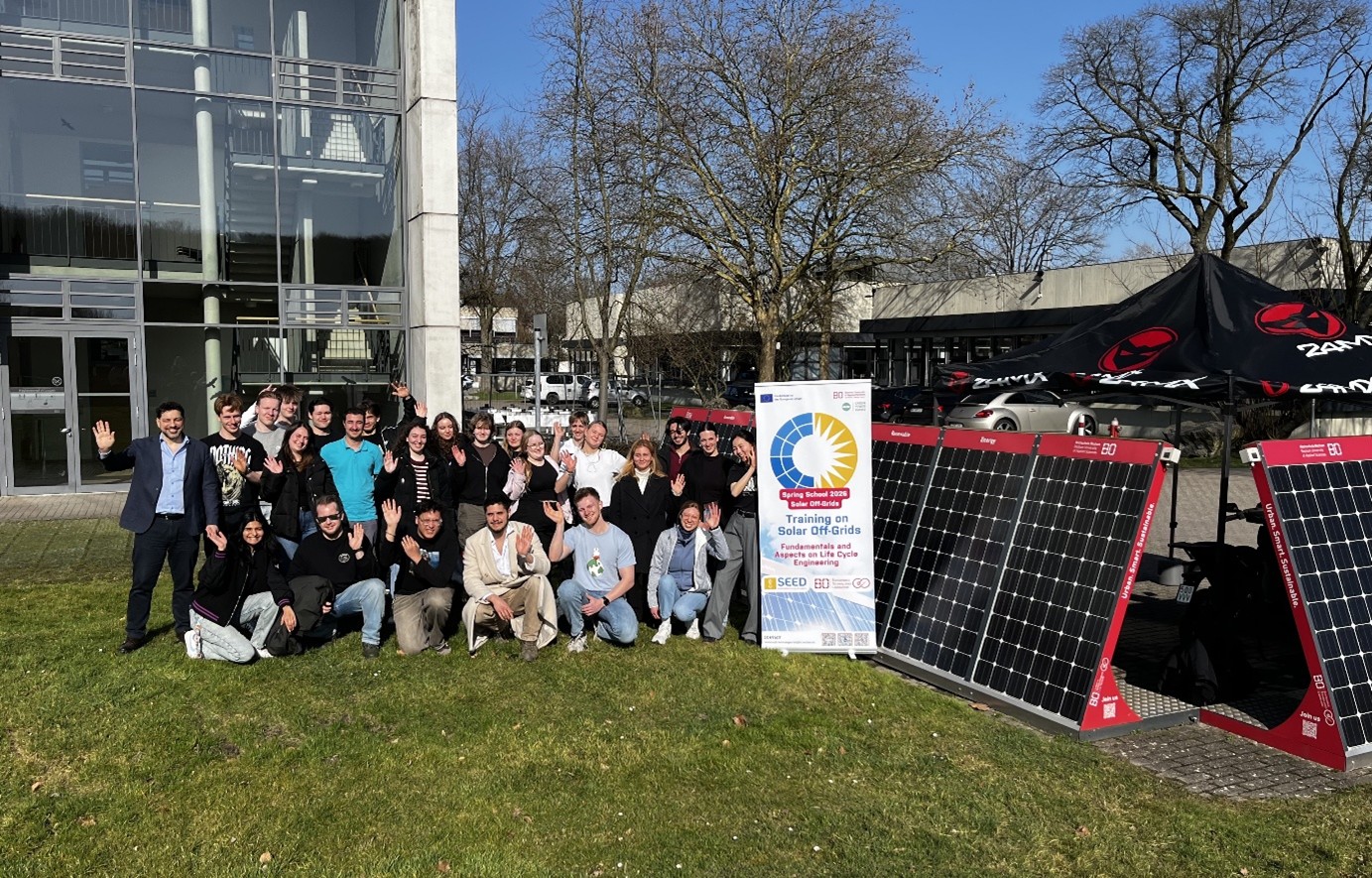
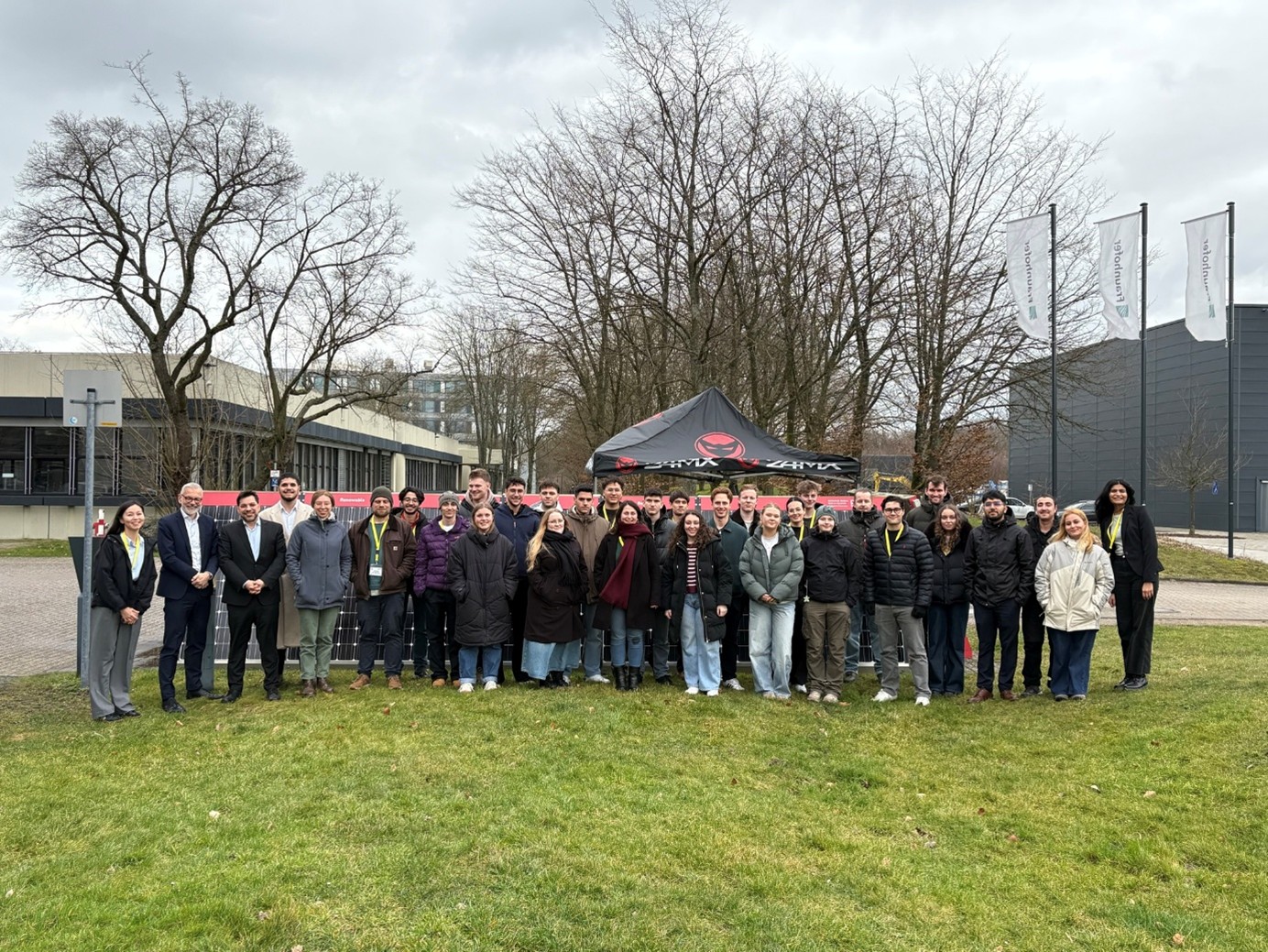
From 23 to 27 February 2026, 26 international students from various study programmes, including Mechanical Engineering, Energy and Environmental Engineering, Electrical and Electronics Engineering, and Applied Sustainability, from the University of Western Macedonia (Greece), Turku University of Applied Sciences (Finland), Dokuz Eylul University (Turkey), University of Applied Sciences Utrecht (the Netherlands), and Bochum University of Applied Sciences (Germany), worked together to gain practical experience with the Energy Hub and the sustainability aspects of solar mini-grids (Fig. 1). The Energy Hub is a prototype off-grid solar charging station for light electric vehicles, developed at the Sustainable Technologies Laboratory.
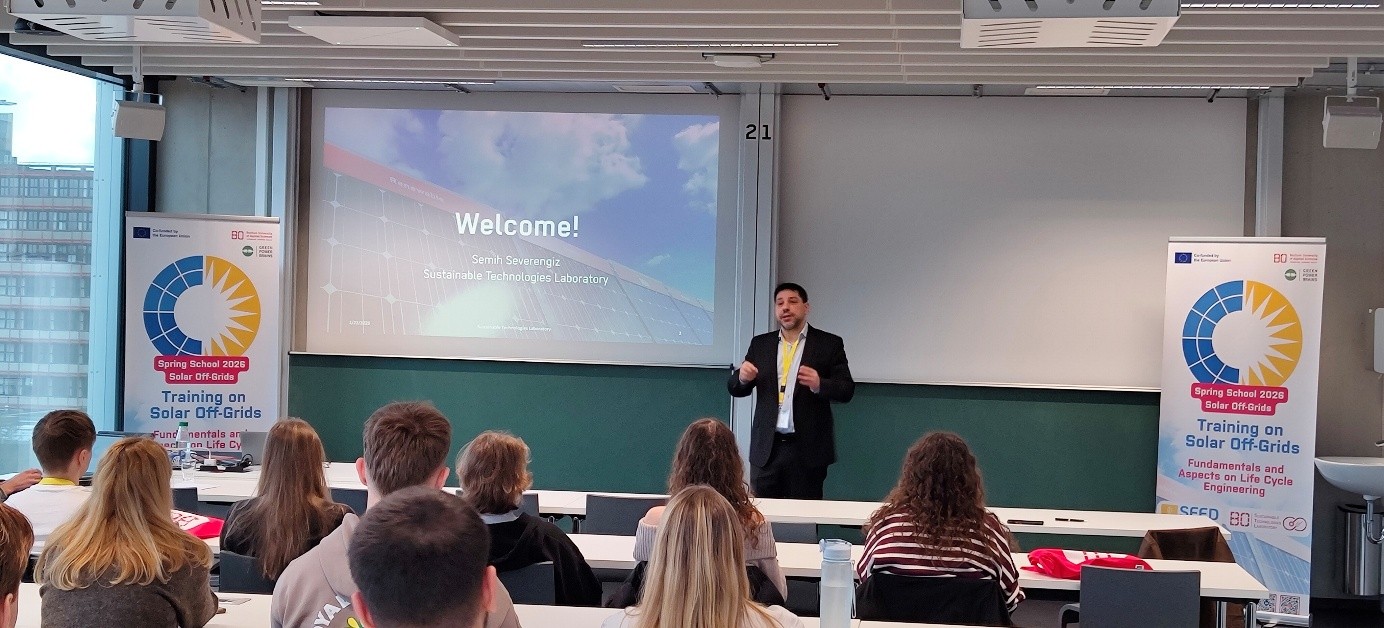
After four preparatory online lectures on technical fundamentals in the preceding weeks, the on-site training began with an introductory lecture by Prof. Dr. Semih Severengiz (Fig. 2). Ms Heymann from the International Office, which supported the organisation of the Spring School, attended the opening event to greet the international students. This was followed by a demonstration of the Energy Hub, which was attended by our president, Prof. Dr. Andreas Wytzisk-Arens (Fig. 3), who warmly welcomed the Spring School participants.
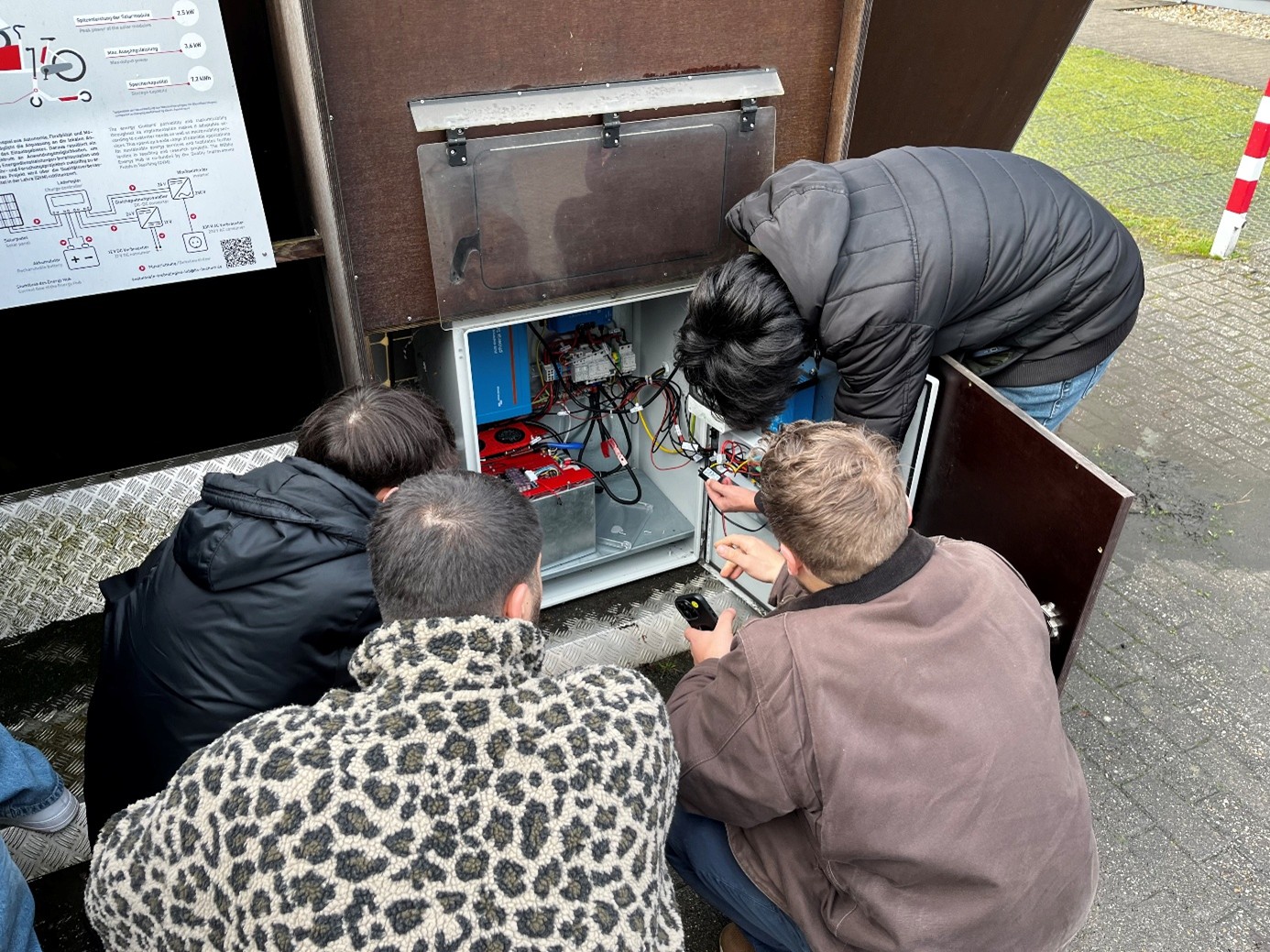
During the intensive week, students gained a deeper understanding of the technical fundamentals of photovoltaic (PV) systems, as well as of the concepts of sustainability and the circular economy in the context of the energy transition. Working in interdisciplinary and intercultural groups, they received practical teaching using the solar Energy Hub as an example (Fig. 4). Problem-based learning tasks with accompanying guidance formed the basis of the teaching approach. Students were also introduced to software tools such as OpenLCA, PVGIS and PV*SOL.
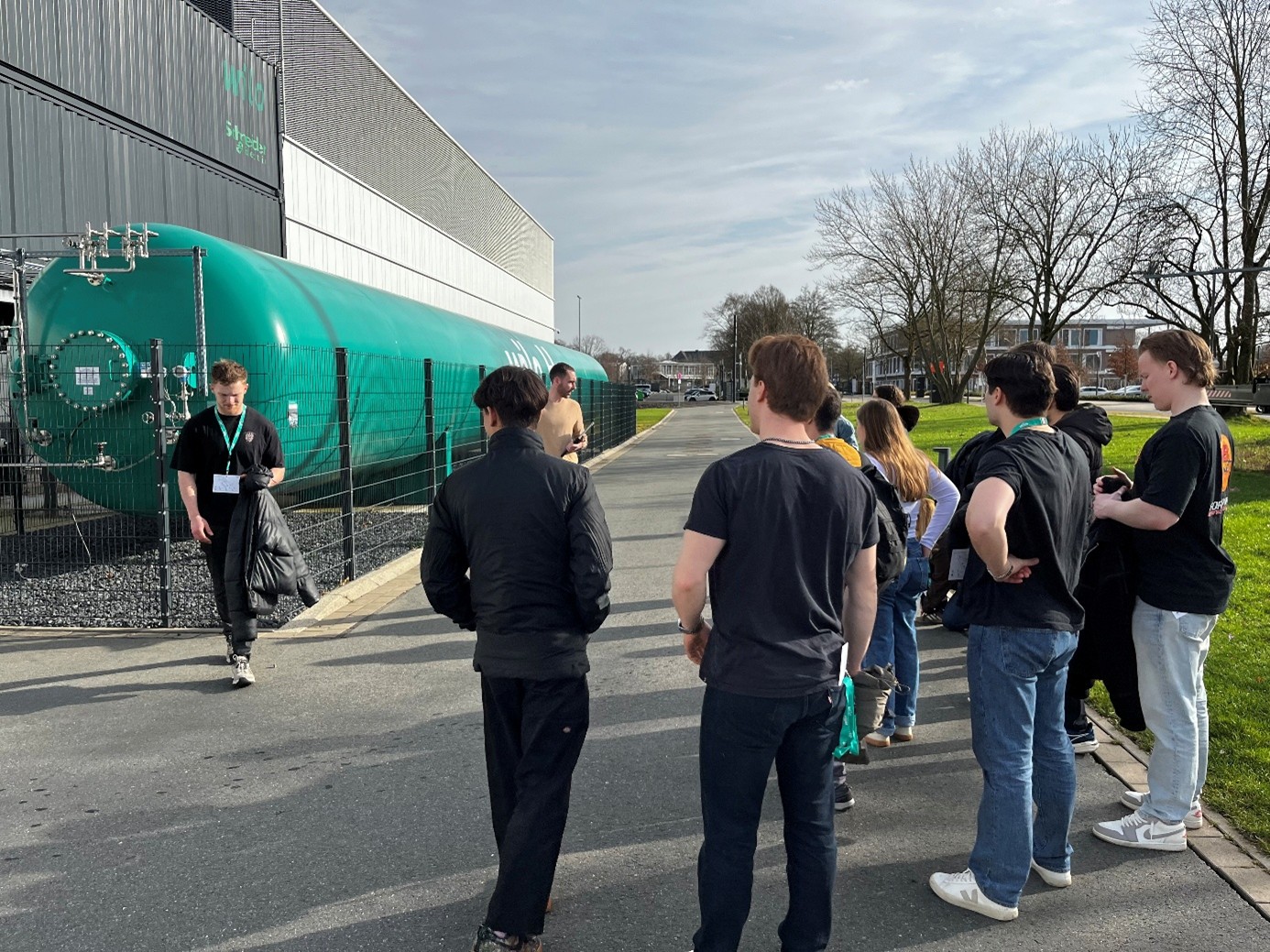
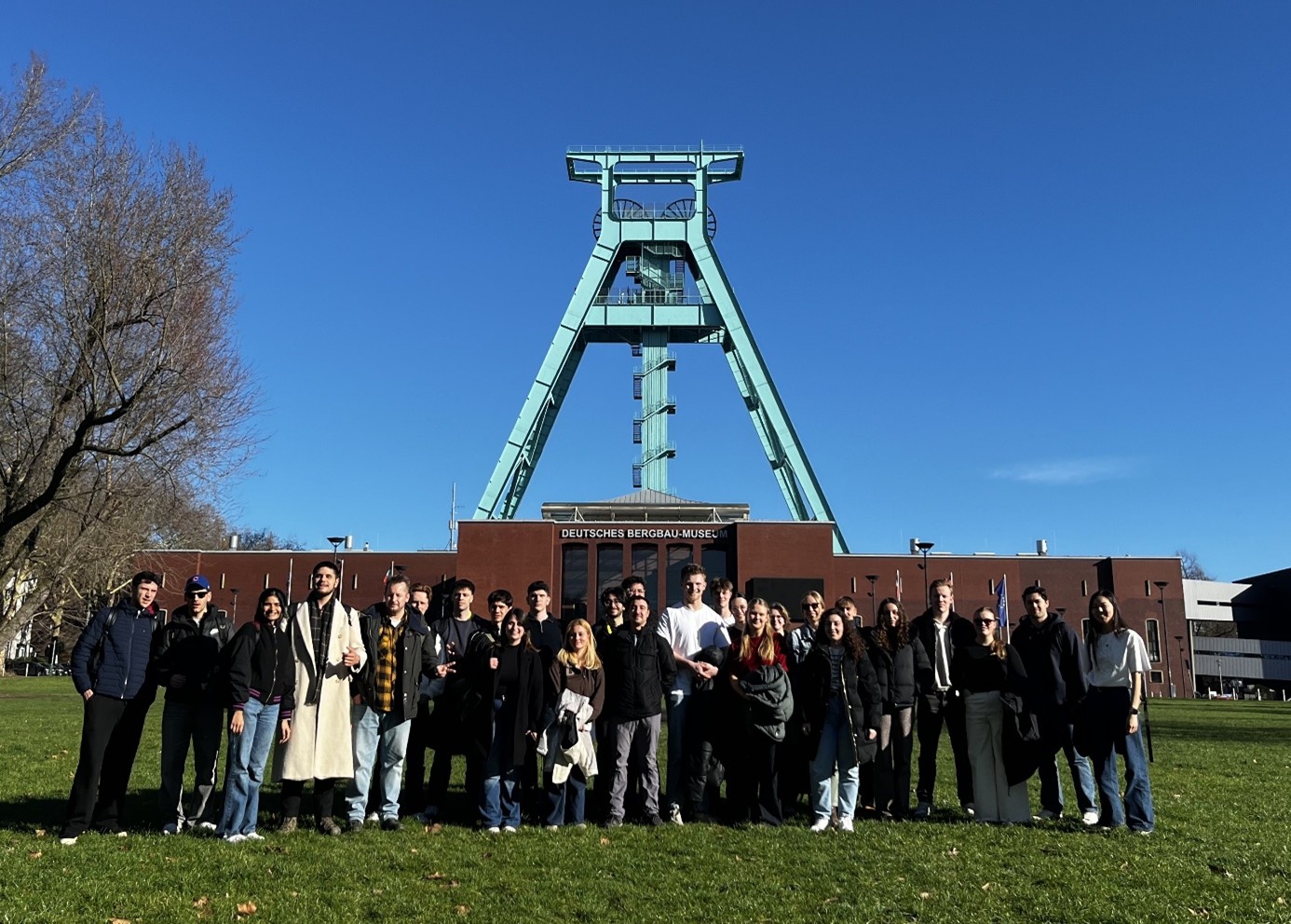
As part of the Spring School programme, students went on a factory tour of Wilo SE, Dortmund to gain practical insights (Fig. 5). This international company specialises in water solutions and relies heavily on green energy sources, such as PV systems and green hydrogen, for its production and operations. Additional programme items were integrated to strengthen intercultural exchange among the students, including a visit to the German Mining Museum (Fig. 6) and a joint dinner.
Following this inspiring international week, Bochum University of Applied Sciences is looking forward to further developing its partnerships with Turku University of Applied Sciences (Finland), the University of Western Macedonia (Greece), Dokuz Eylul University (Turkey), and University of Applied Sciences Utrecht (the Netherlands).
Next, the Summer School organised by the H2VE Erasmus+ project, which focuses on green hydrogen, will take place at the end of June/beginning of July in Kozani, Greece. Students interested in attending from Bochum University of Applied Sciences can contact the Sustainable Technologies Laboratory (Prof. Dr. Semih Severengiz).
The SEED project is co-funded by the European Union. The SEED Spring School 2026: Training on Solar Off-Grids is an intensive short-term programme co-funded by Erasmus+.