

International Academic Collaboration with the University of Electro-Communications (UEC) in Japan
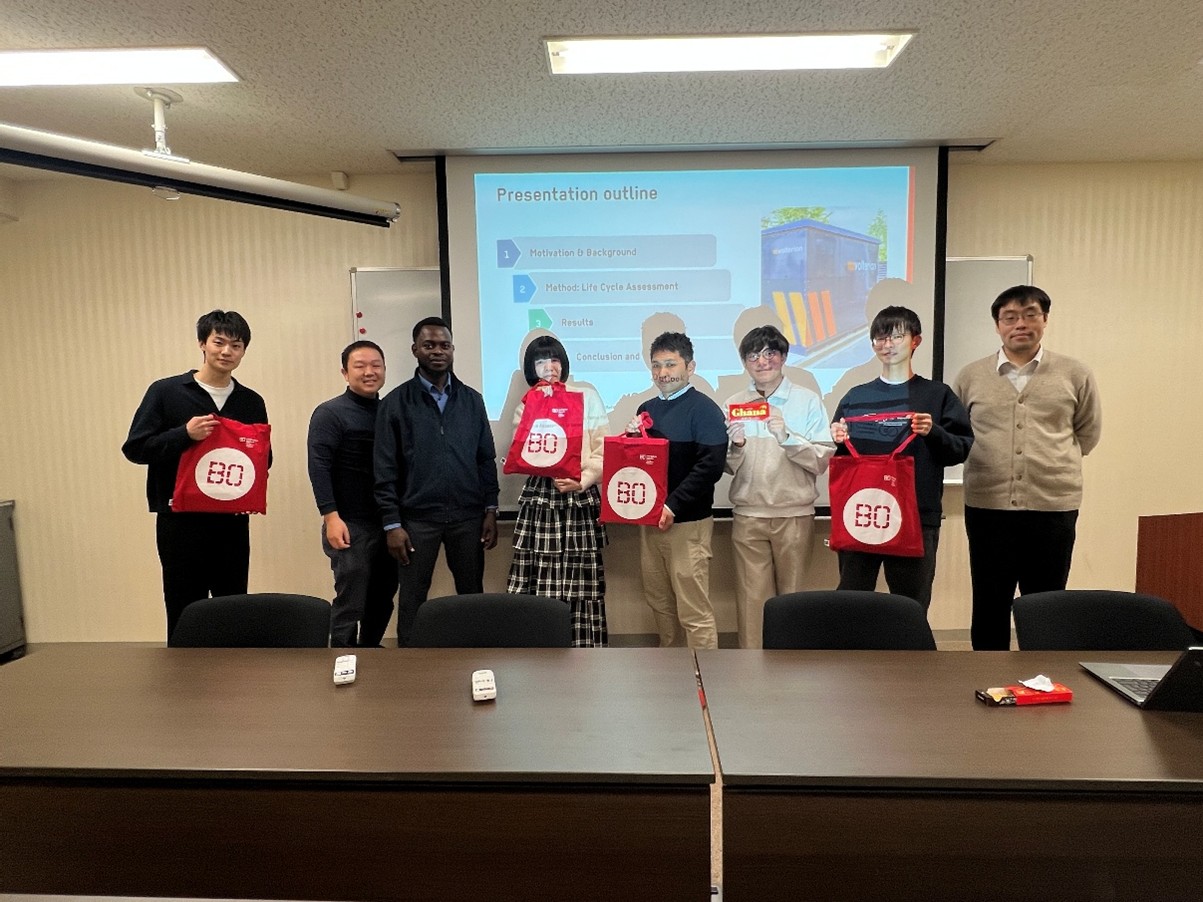
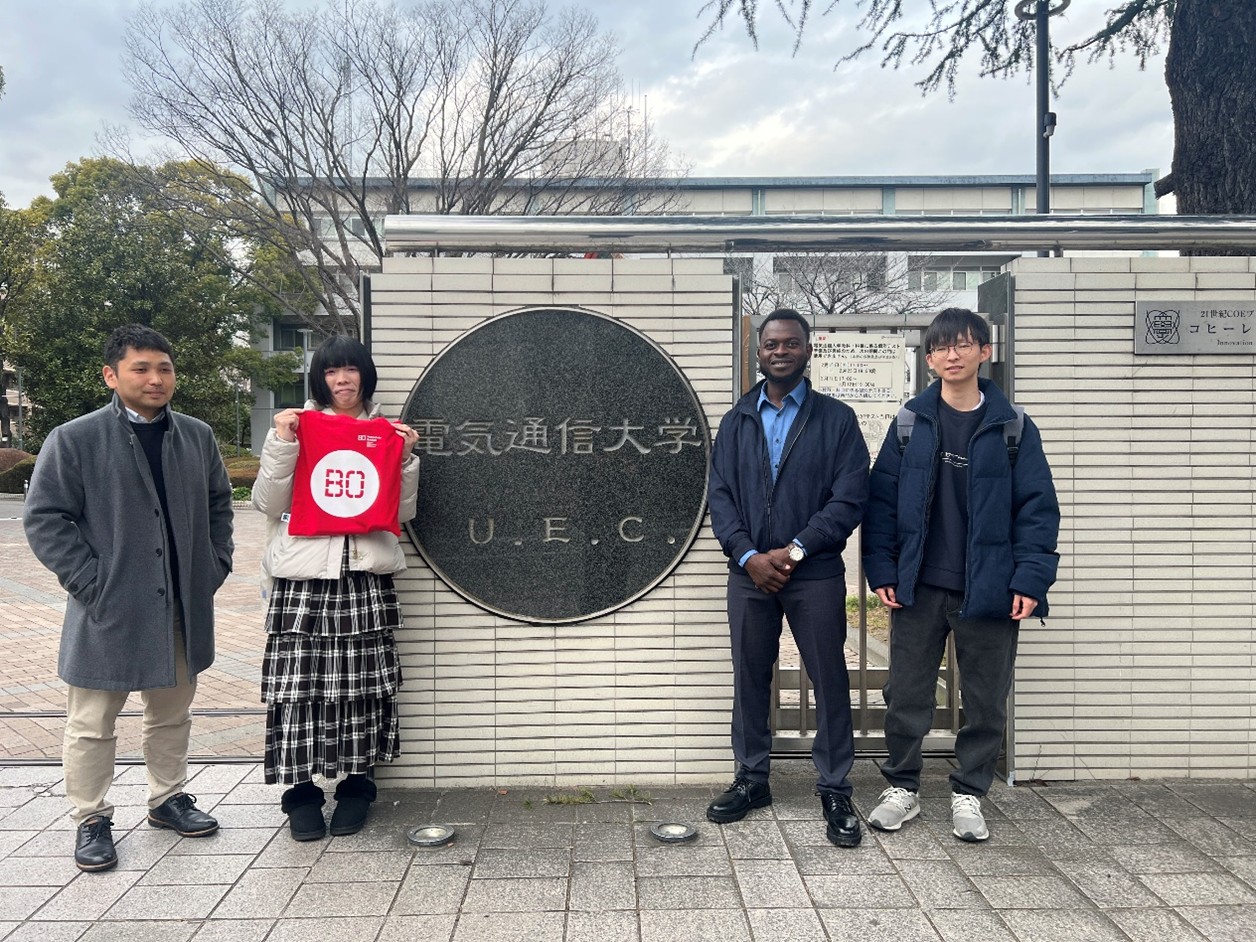
As part of an international research visit to Japan, carried out in conjunction with participation in the 33rd CIRP Conference on Life Cycle Engineering (CIRP LCE 2026), a productive academic exchange was conducted at the University of Electro-Communications (UEC), Japan on 9th March 2026. The research visit provided an opportunity to extend academic discussions beyond the conference setting through direct institutional engagement, thereby strengthening collaborative ties between UEC and Bochum University of Applied Sciences.
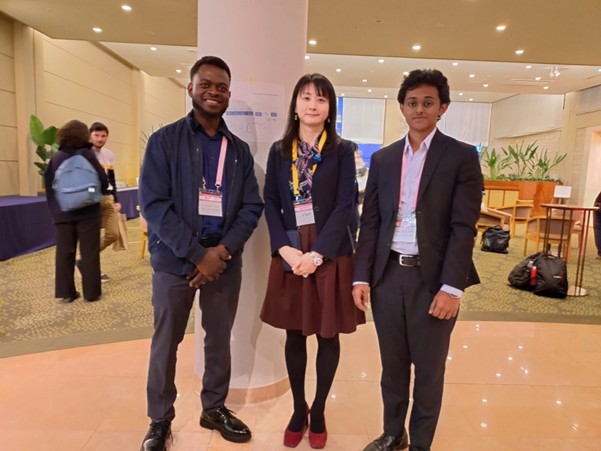
During the visit to UEC, Emmanuel Effah, representing the Sustainable Technologies Laboratory, met with Associate Professor Yuki Kinoshita and his research team from the Graduate School of Informatics and Engineering. The meeting provided a valuable platform to exchange perspectives on ongoing research activities and to identify potential avenues for future collaboration.
Discussions centered on key thematic areas, including life cycle engineering, sustainable urban mobility concepts, and energy systems, with a particular emphasis on their contribution to the development of sustainable and resilient infrastructure. Further exchanges addressed micromobility solutions in urban planning, specifically focusing on strategies for emission reduction and system efficiency, as well as broader applications of life cycle assessment in the advancement of sustainable technologies.
In addition, research activities involving data-driven approaches for analytical modeling and decision-support systems were presented and discussed. The dialogue also covered methodologies for sustainable system design and the optimization of complex operational networks. Representatives from related academic programs participated in the meeting, further strengthening the interdisciplinary nature of the exchange.
The visit concluded with a shared commitment to fostering long-term collaboration, including opportunities for student exchange programs and visiting researchers between both institutions. This engagement marks a significant step toward strengthening international research cooperation and advancing sustainable engineering solutions.
CIRP Life Cycle Engineering Conference 2026 – Kamakura, Japan
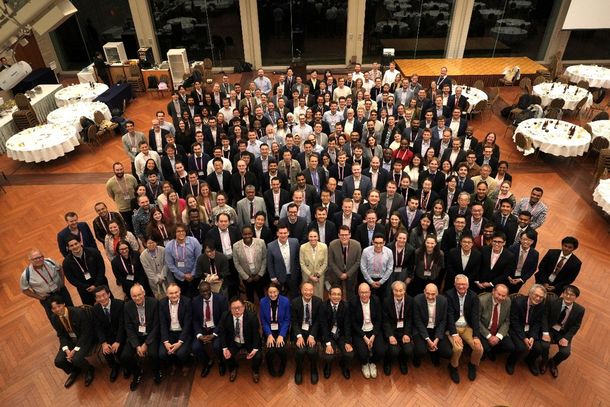
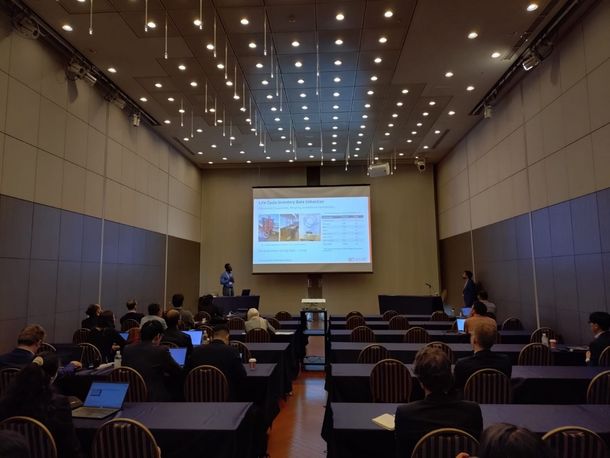
The Sustainable Technology Laboratory, contributed its latest research findings to the 33rd CIRP Conference on Life Cycle Engineering (CIRP LCE 2026), held from March 11–13, 2026, in Kamakura, Japan.
The CIRP LCE conference is a globally recognized platform for presenting cutting-edge research and industrial applications in the field of life cycle engineering. This year’s conference, themed “Shaping Manufacturing Ecosystems Towards a Circular Economy,” brought together researchers, industry professionals, and policymakers to exchange innovative ideas and advance sustainable manufacturing practices. Key topics included circular economy strategies, life cycle assessment, sustainable product design, resilient supply chains, and the integration of digital and data-driven technologies.
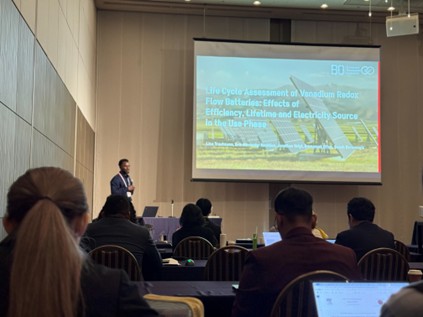
The Sustainable Technology Laboratory contributed two peer-reviewed conference papers to this year’s conference. Emmanuel Effah, representing the laboratory, presented both contributions during the conference sessions.
The first paper, “Life Cycle Assessment of Vanadium Redox Flow Batteries: Effects of Efficiency, Lifetime, and Electricity Source in the Use Phase,” examines the environmental performance of Vanadium Redox Flow Battery, with a particular focus on how operational parameters influence life cycle impacts. The research highlights the importance of efficiency improvements and clean electricity sources in reducing environmental burdens during the use phase.
The second paper, “Climate Change Impact of Pedal Electric-Assisted Bike Sharing: The Case of Barcelona and Munich,” evaluates the environmental implications of shared micromobility systems. The study provides valuable insights into the role of pedelec sharing in reducing urban emissions and supporting sustainable mobility transitions.
Both presentations attracted significant interest from conference participants and contributed to engaging discussions on sustainable energy systems and urban mobility solutions. The accepted papers will be published in Procedia CIRP, further disseminating the findings to the international research community.
As part of the conference program, an industrial tour was organized on March 10, 2026, to Toshiba Environmental Solutions Corporation (TESC) in Yokohama, Kanagawa Prefecture. TESC, a key member of the Toshiba Group, is recognized for its advanced solutions in environmental engineering and circular economy practices.
During the visit, participants explored one of Japan’s leading home appliance recycling facilities, gaining firsthand insights into processes such as manual dismantling, material separation, and resource recovery for products including washing machines, refrigerators, and air conditioning systems. The tour also highlighted TESC’s comprehensive approach across the environmental value chain, including waste management, recycling, contamination remediation, and sustainability consulting.
This industrial experience provided valuable practical context to complement the conference discussions, particularly in relation to circular economy implementation and life cycle engineering in real-world systems.
Overall, participation in CIRP LCE 2026 provided an excellent opportunity for the Sustainable Technology Laboratories to present its research, engage with international experts, and strengthen its contribution to advancing sustainable engineering and circular economy solutions.


